Source Guitar Gig Bag for Musicians, Schools, and Travelers
Explore 30 verified guitar gig bag options featuring waterproof materials and customizable sizes. Buyers can compare specifications, MOQs, and lead times from suppliers in China to find the right case for their needs; compare the available evidence and request quotations based on your requirements.
Key considerations
Products List


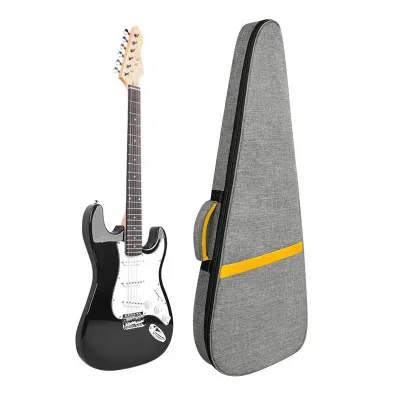
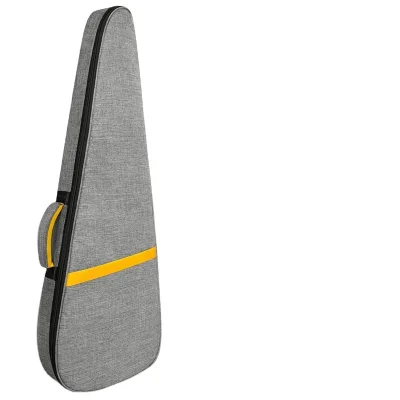


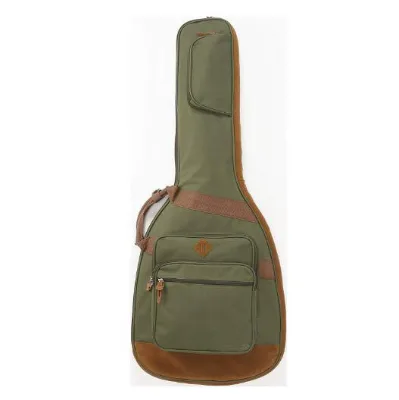


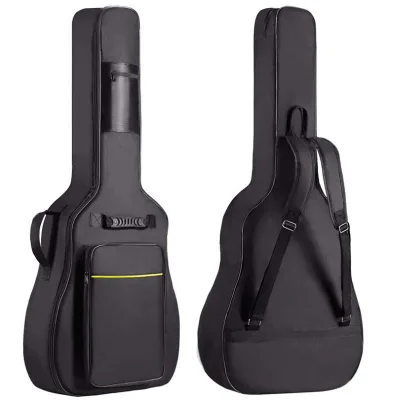
Comprehensive Sourcing Guide
Guitar Gig Bag Sourcing Guide
Sourcing guitar gig bags requires distinguishing between single and double-open configurations, as observed in the current market listings. Buyers must verify whether the product is designed as a soft bag or a hard case, since the listed data includes both "Bag" and "Case" types with varying structural needs. The material composition is predominantly polyester or Oxford cloth, which dictates the level of protection and durability against environmental factors.
Procurement decisions should also account for the specific customization capabilities offered by suppliers, such as logo printing and tailored dimensions. The observed listings indicate that many manufacturers welcome OEM and ODM requests, allowing buyers to align the product with their brand identity. However, the standard sizes vary significantly, ranging from 40 inches to specific metric dimensions like 37x7x104cm, necessitating precise communication of requirements before production begins.
Product Scope and Observed Listing Signals
The market presents a diverse range of guitar gig bags, with observed models like the C-80219 and FLYFK-012 offering distinct feature sets. Some units are designed with a single open access point, while others provide double-open functionality for easier instrument handling. These structural differences directly impact the user experience, particularly for musicians who need quick access to their instruments during live performances or transport.
Buyers should also note the variation in packaging standards, which range from simple poly bags to customized export cartons. The observed data shows that some suppliers offer specific packing instructions, such as "One Bag in One Polybag," while others provide fully customized packaging solutions. This variability affects the final retail presentation and the logistics of shipping, requiring buyers to specify their preferred packaging method clearly to avoid mismatches between expectation and delivery.
Technical Specifications to Verify
Dimensional accuracy is a critical verification step, as the observed listings include specific measurements like 41.7" x 15.3" x 2.75" and 48.82 x 15.75 x 2.36 inches. Buyers must confirm that the internal volume and external dimensions match the specific guitar model they intend to protect, as standard sizes may not accommodate all instrument variations. The weight of the product, observed at 1500g for some units, is another key factor that influences portability and user fatigue during extended transport.
Material selection is equally important, with polyester and Oxford cloth being the primary options identified in the supply data. These materials offer different levels of water resistance and abrasion protection, which are essential for safeguarding instruments against the elements. Buyers should verify the specific waterproof claims and the thickness of the fabric to ensure the gig bag meets the durability standards required for their specific use cases, whether for studio use or touring.
Compliance and Safety Documentation
While the supplied data does not explicitly list third-party safety certifications, buyers must ensure that the materials used comply with international safety standards for textile products. The origin of the products, primarily from China and Guangzhou, suggests that compliance with local manufacturing regulations is a baseline requirement. However, importing these goods into other regions may necessitate additional documentation regarding chemical safety, flammability, and material composition to meet destination market regulations.
Documentation regarding the product's origin and manufacturing process should be requested to verify the supply chain integrity. The observed listings mention "Customized size" and "Customized packaging," which implies a flexible manufacturing process that must still adhere to consistent quality control protocols. Buyers should ask for material safety data sheets (MSDS) or equivalent documentation to confirm that the polyester and Oxford cloth used do not contain harmful substances that could violate import regulations or consumer safety laws.
Cost Drivers and Commercial Terms
The observed price range of 2.5 to 35 USD indicates significant variation based on material quality, customization level, and order volume. Buyers should understand that lower-priced items often correspond to standard sizes and minimal customization, while higher prices reflect tailored dimensions, premium materials, and added features like reinforced padding. The minimum order quantity (MOQ) ranges from 10 to 1000 units, with specific models like the DK21-GB071901 requiring a MOQ of 300, which directly impacts the unit cost and overall budget planning.
Payment terms and lead times are also critical commercial factors that influence the total cost of ownership. The observed data specifies a lead time of 45-60 days and a sample time of 7-10 days, which must be factored into the supply chain schedule. Payment is typically conducted via T/T, and buyers should negotiate terms that align with their cash flow while ensuring that the supplier has sufficient capital to maintain production quality throughout the extended manufacturing period.
Supplier Qualification and Quality Control
Supplier qualification should focus on their ability to deliver consistent quality across customized orders, as the market data highlights a strong emphasis on OEM and ODM services. Buyers must verify the supplier's capacity to handle the specific customization requests, such as logo printing and unique packaging, without compromising the structural integrity of the gig bag. The observation of "High-grade" styles suggests that some suppliers prioritize aesthetic and functional quality, which should be validated through sample reviews before bulk production.
Quality control processes must be established to ensure that the final products meet the specified standards for dimensions and material strength. Since the observed listings include various models with different specifications, buyers should implement a rigorous inspection protocol that checks for defects in stitching, zippers, and padding. The "Single gross weight" and "Single volume" data points provided in the listings can serve as benchmarks for verifying that the shipped goods match the agreed-upon specifications and do not suffer from underfilling or dimensional errors.
Long-Term Procurement Checks
Establishing a long-term relationship with a supplier requires regular performance reviews against the agreed-upon standards for delivery and quality. The observed lead times of 45-60 days and delivery methods like sea freight indicate that supply chain stability is crucial for maintaining inventory levels. Buyers should monitor the supplier's ability to meet these timelines consistently, as delays can disrupt the availability of stock and impact sales cycles, particularly for seasonal or event-driven demand.
Continuous verification of product specifications is necessary to ensure that the gig bags remain suitable for evolving market needs. As the industry shifts towards more sustainable materials or new design trends, buyers should maintain open communication with suppliers to adapt their product offerings accordingly. The flexibility observed in the "Customized size" and "Customized packaging" options suggests that suppliers are capable of adapting, but this requires proactive management to ensure that changes are implemented efficiently without compromising cost or quality.
FAQs
Can I customize the logo on guitar gig bags?
Yes, customized logos are available for guitar gig bags. Buyers can request personalized branding to enhance product identity. This service is warmly welcomed by manufacturers, allowing for unique visual differentiation. Customization options extend to packaging as well, ensuring a cohesive brand presentation. This flexibility supports both OEM and ODM requirements for distinct market positioning.
What materials are used for guitar gig bags?
Guitar gig bags are typically constructed from durable polyester or Oxford cloth. These materials provide essential protection and water resistance for instruments. The choice of material ensures longevity and reliable performance during transport. Buyers can select based on specific durability needs. Both options offer robust shielding against environmental factors while maintaining a lightweight profile for easy handling.
What is the typical lead time for production?
The typical lead time for production ranges from 45 to 60 days. This duration accounts for manufacturing processes and quality assurance steps. Buyers should plan their inventory accordingly to avoid stockouts. Sample times are shorter, usually taking 7 to 10 days. Understanding these timelines helps in effective supply chain management and order scheduling.
What are the standard dimensions for these cases?
Standard dimensions vary, with common sizes including 40/41 inches for length. Specific models may measure approximately 41.7 inches by 15.3 inches by 2.75 inches. Other variants exist, such as 48.82 inches in length. Customized sizes are also available to fit unique instrument requirements. Buyers should verify exact dimensions to ensure proper fit for their specific guitar models.
How much is the minimum order quantity?
The minimum order quantity typically starts at 300 units. Some listings may accept orders as low as 10 units, while others require up to 1000. This range allows flexibility for different buyer scales. Smaller quantities might be suitable for sampling or niche markets. Larger orders benefit from economies of scale. Buyers should confirm specific MOQs with suppliers to align with their procurement strategy.
Are these bags suitable for all seasons?
Yes, these guitar gig bags are designed for all-season use. They provide consistent protection regardless of weather conditions. The waterproof features ensure instruments remain safe from moisture. This versatility makes them ideal for various storage and transport scenarios. Buyers can rely on these bags for year-round instrument care without needing seasonal replacements or specialized storage solutions.